Bug Zappers
Product categories
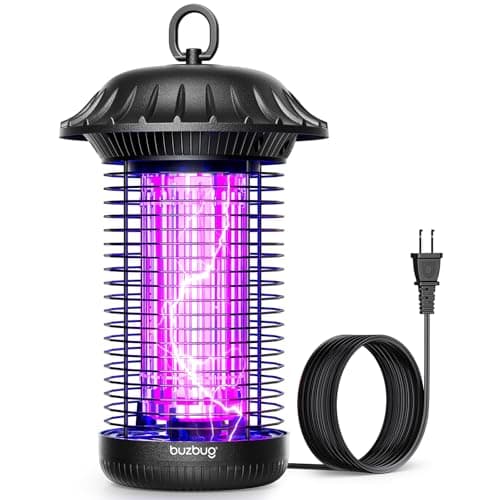
Buzz Off, Bugs! A Comprehensive Guide to Bug Zappers

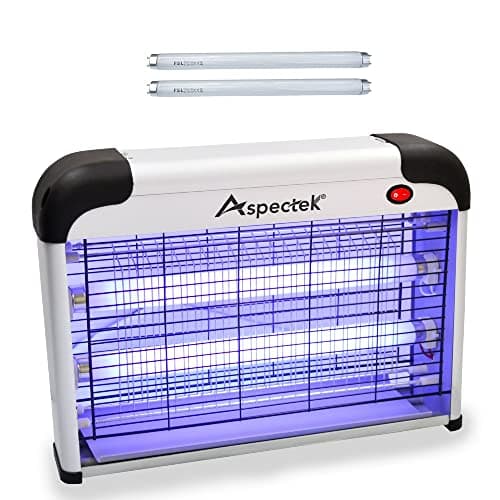
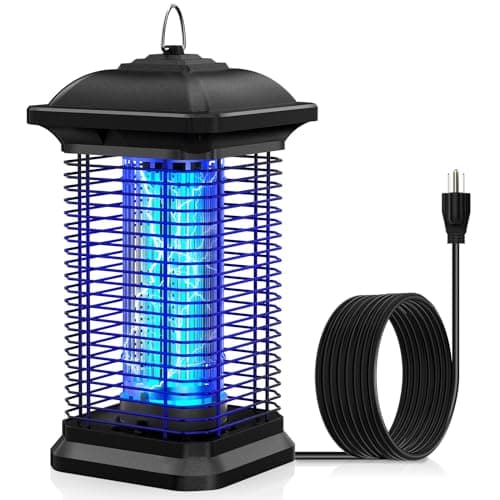
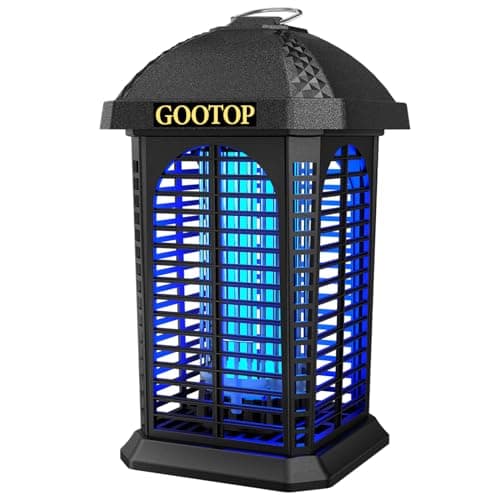
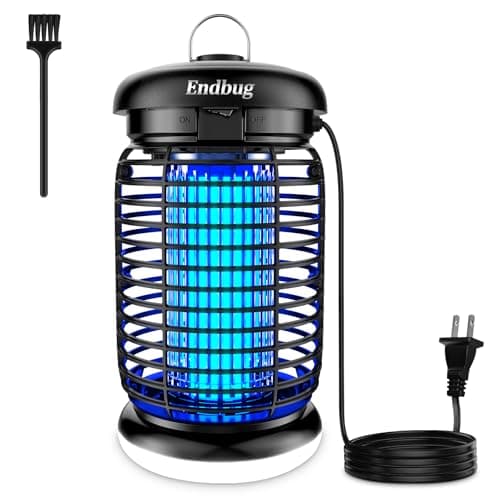
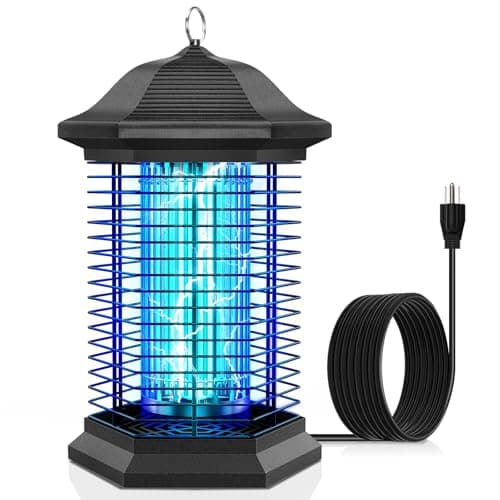
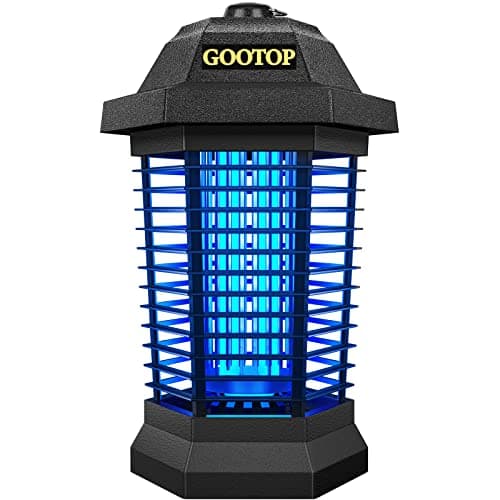
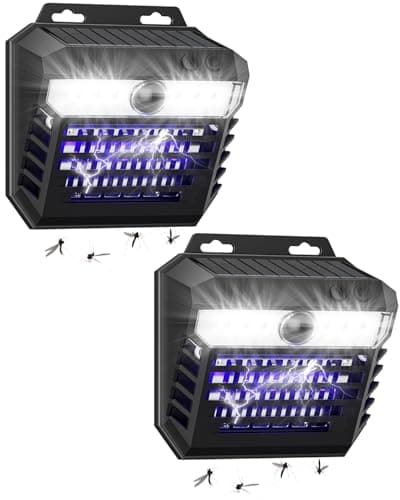
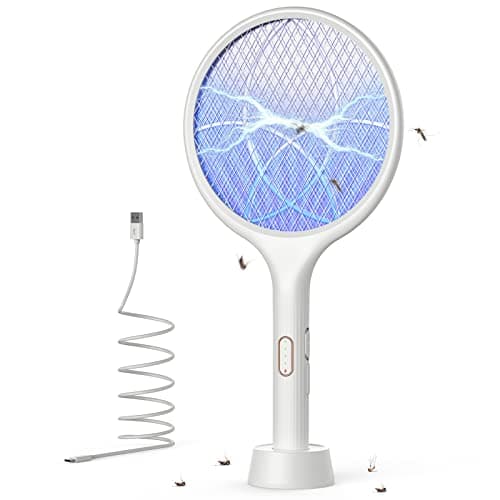
Bug zappers, those iconic devices emitting a satisfying 'zap,' are designed to attract and eliminate flying insects, primarily mosquitoes, flies, and gnats. They're a popular choice for homeowners, businesses, and outdoor enthusiasts seeking to create a more comfortable and pest-free environment. The effectiveness of a bug zapper hinges on its ability to lure insects in with ultraviolet (UV) light, then deliver a high-voltage electrical shock upon contact. This method offers a non-toxic alternative to chemical sprays and repellents, making it an appealing option for those concerned about environmental impact or personal health.
The importance of bug zappers extends beyond mere comfort. Flying insects can be vectors of disease, transmitting illnesses like West Nile virus, Zika virus, and malaria. By reducing the population of these insects in a given area, bug zappers can contribute to public health and safety. Furthermore, the presence of annoying insects can disrupt outdoor activities, impacting leisure time and productivity. Bug zappers allow individuals to enjoy their yards, patios, and other outdoor spaces without the constant annoyance of buzzing and biting insects.
The world of bug zappers is diverse, ranging from small, portable units suitable for camping trips to large, industrial-strength models designed for commercial use. Understanding the different types of bug zappers available, their intended purposes, and the needs of the target user is crucial for making an informed purchase. Factors such as the size of the area to be protected, the type of insects prevalent in the region, and the desired level of portability should all be considered when selecting a bug zapper.
History
- 1911: The first electric insect trap was patented by William M. Frost and Elmer J. McDaniels.
- Mid-20th Century: Bug zappers gained popularity as a convenient way to control flying insects in residential and commercial settings.
- Late 20th Century: Concerns arose regarding the effectiveness of bug zappers in controlling mosquito populations and their potential impact on beneficial insects.
- 21st Century: Modern bug zappers incorporate new technologies, such as LED UV lights and improved safety features, addressing some of the earlier criticisms.