Camping & Hiking Hydration Canteens
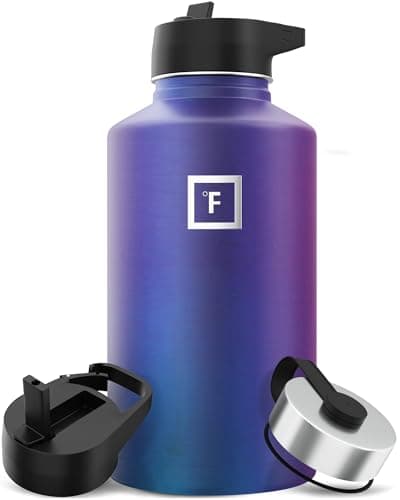
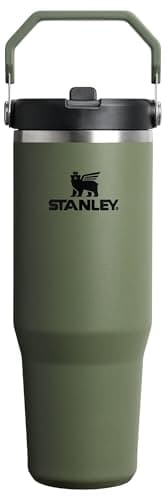
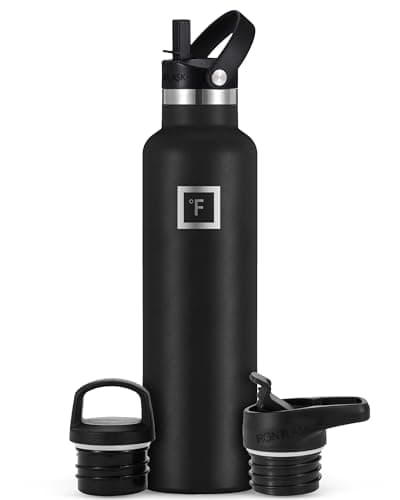
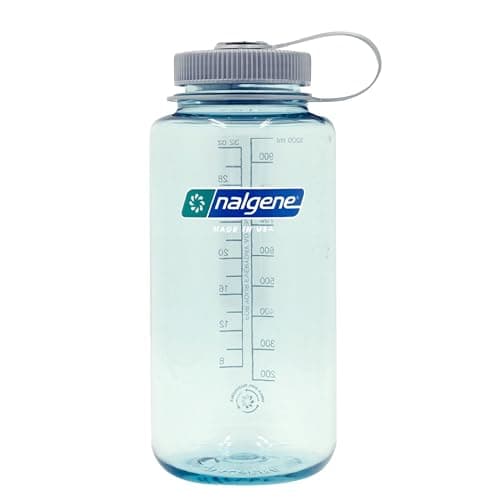
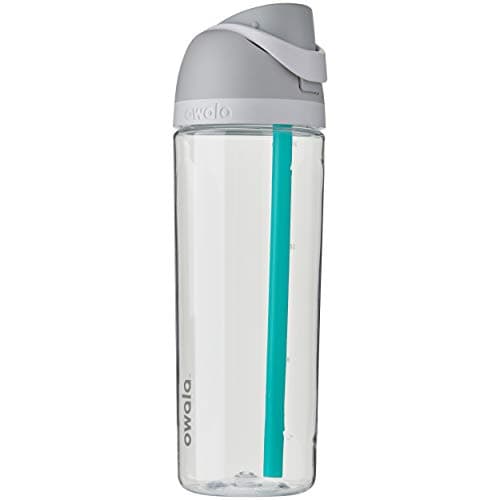
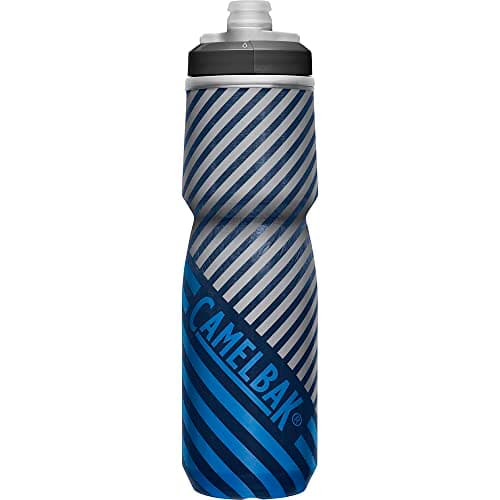
Product categories
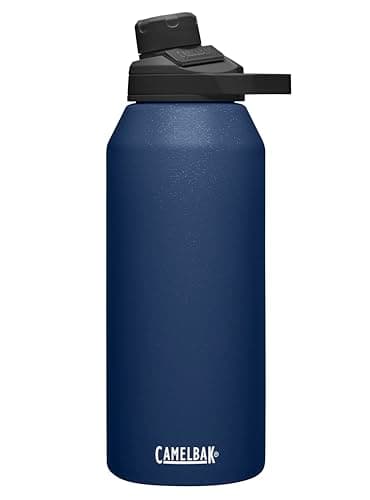

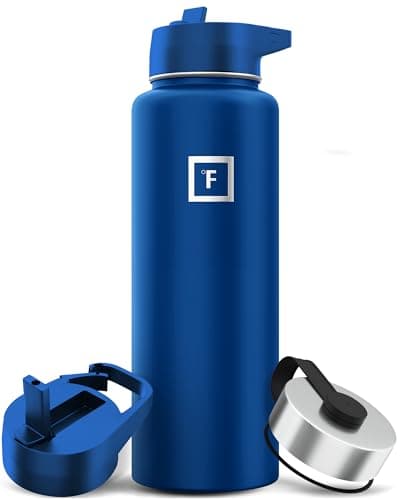
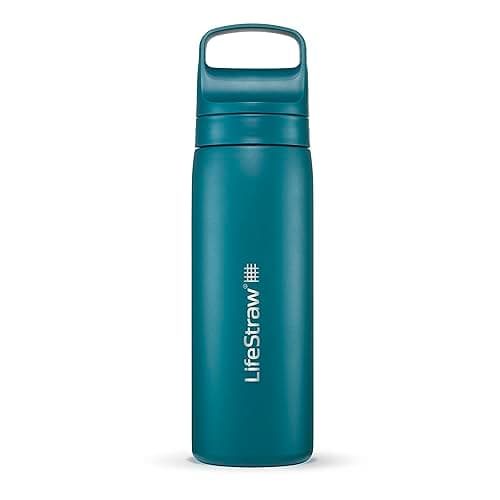
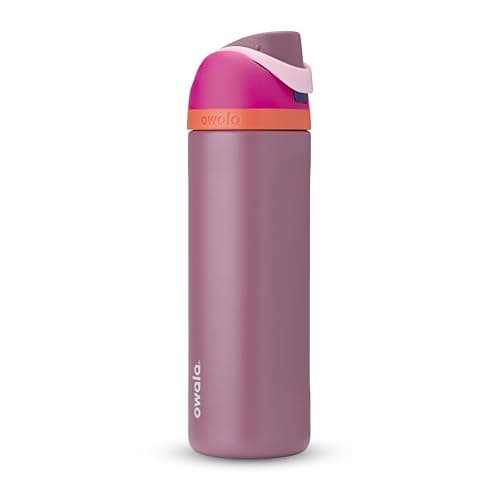
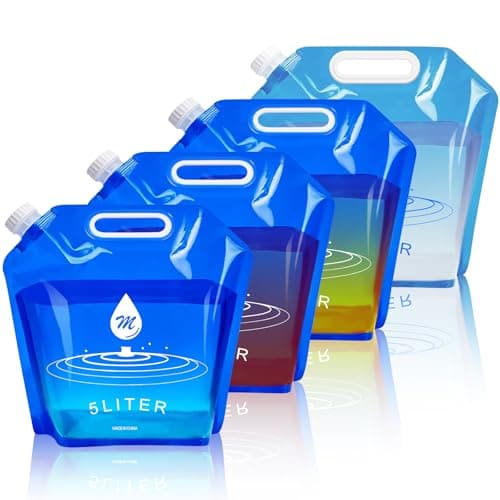
Quench Your Thirst: A Guide to Camping & Hiking Hydration Canteens

Staying hydrated is paramount when exploring the great outdoors, and that's where camping and hiking hydration canteens come in. More than just water containers, these essential pieces of gear are designed to be durable, portable, and convenient, ensuring adventurers have access to safe and refreshing water throughout their journeys. From conquering mountain trails to relaxing by a serene campsite, a reliable hydration canteen is a trusted companion.
The camping and hiking hydration canteens category stands out due to its focus on functionality and resilience. Unlike everyday water bottles, these canteens are built to withstand the rigors of outdoor use. They often feature robust materials, leak-proof designs, and ergonomic shapes for easy carrying. The variety available caters to different needs, from lightweight options for minimalist backpacking to larger capacity containers for extended expeditions. The emphasis on safe materials ensures water remains pure and free from harmful chemicals, a crucial factor for health and well-being in the wilderness.
Choosing the right hydration canteen can significantly impact your outdoor experience. A well-chosen canteen not only provides a reliable source of water but also enhances comfort and efficiency on the trail. Factors such as capacity, material, weight, and ease of use all contribute to the overall performance of the canteen. By understanding the nuances of this category, outdoor enthusiasts can make informed decisions and equip themselves with the perfect hydration solution for their adventures.
History
- Ancient civilizations used animal skins and gourds to carry water during travel and exploration.
- The modern canteen evolved from military flasks, designed for soldiers to carry water on the battlefield.
- Early canteens were often made of metal, such as tin or aluminum, offering durability and reusability.
- Plastic canteens gained popularity in the mid-20th century due to their lightweight and cost-effective nature.
- Advancements in materials science have led to the development of BPA-free plastics, stainless steel, and insulated canteens for improved safety and performance.