Catalog & Reference Racks



Product categories

About this category

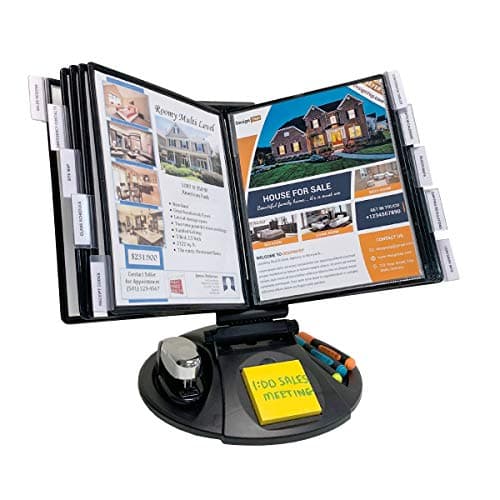
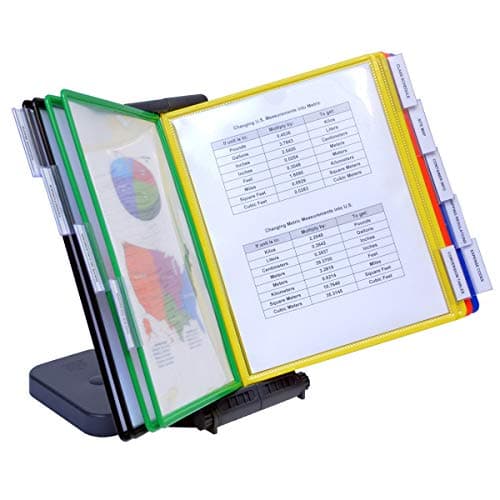
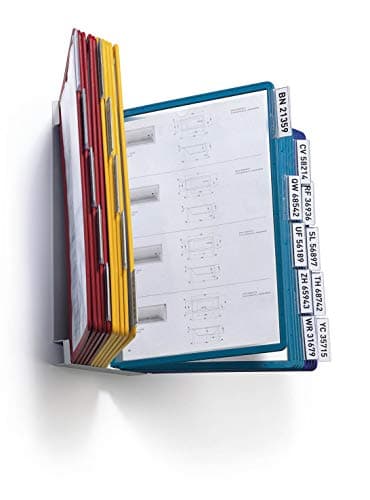
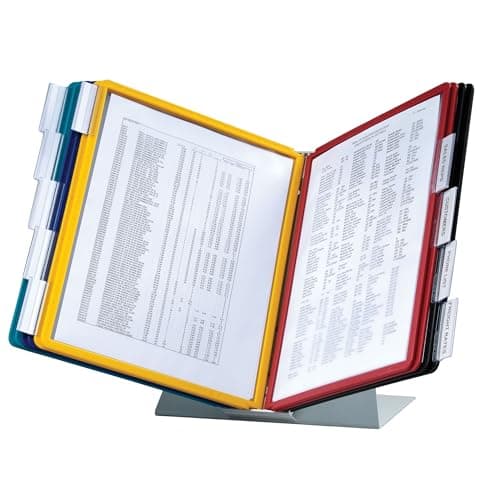
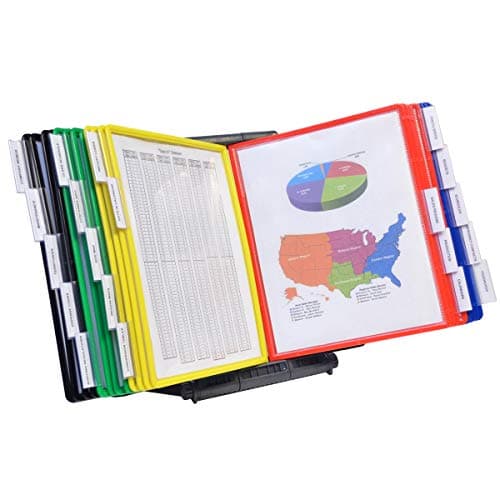
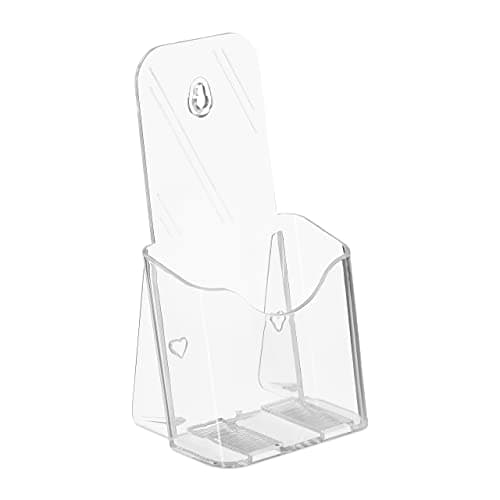
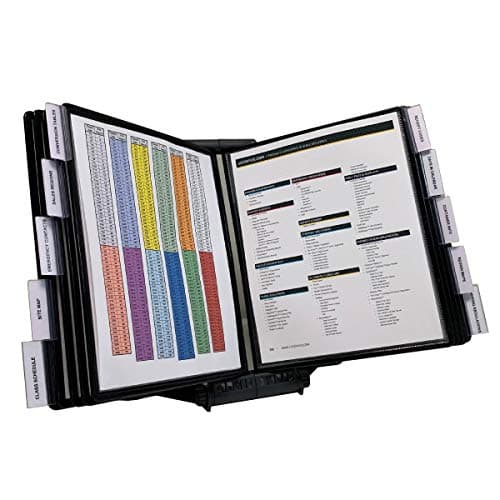
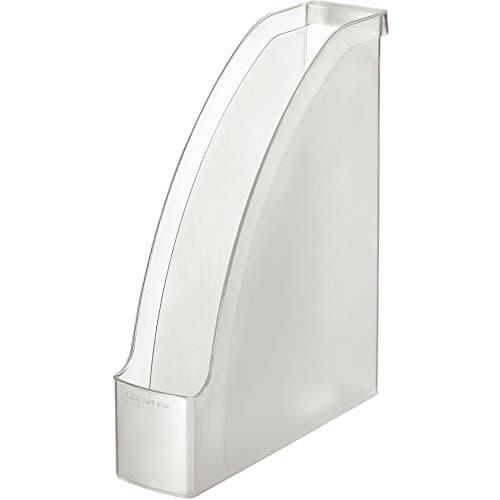
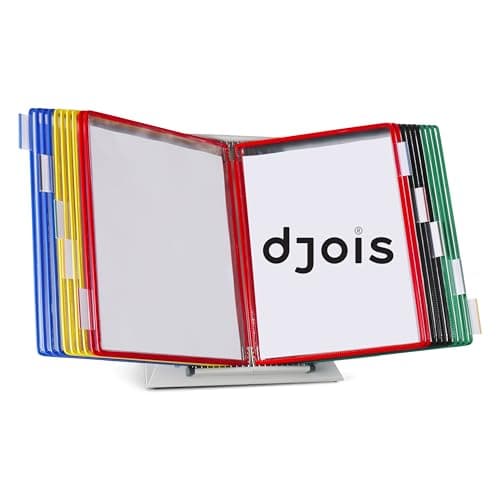
Catalog & Reference Racks are indispensable tools in the realm of organization and information management. These racks serve as a central hub for storing and displaying catalogs, brochures, and reference materials, making them easily accessible for quick consultation. Whether in a bustling office environment, a library, or a retail setting, these racks help maintain order and efficiency by providing a dedicated space for important documents. Their design often combines functionality with aesthetics, ensuring that they not only serve a practical purpose but also enhance the visual appeal of the space.
The significance of Catalog & Reference Racks lies in their ability to streamline operations and improve productivity. By keeping essential documents organized and within reach, they reduce the time spent searching for information, allowing users to focus on more critical tasks. This category of products is particularly valuable in environments where quick access to information is crucial, such as in customer service areas, educational institutions, and healthcare facilities. The versatility of these racks means they can be tailored to suit various needs, from compact desktop models to larger, freestanding units.
As the world continues to embrace digital solutions, Catalog & Reference Racks are evolving to meet new demands. Modern designs incorporate features such as adjustable shelves, modular components, and even digital integration for hybrid setups that combine physical and digital resources. This adaptability ensures that they remain relevant in an increasingly digital age. Looking ahead, the trend towards sustainable materials and eco-friendly designs is expected to shape the future of this category, as businesses and consumers alike prioritize environmentally conscious choices.
History
- Catalog & Reference Racks have their roots in the early 20th century when businesses began to recognize the need for organized storage solutions for printed materials.
- Over time, these racks evolved from simple wooden structures to more sophisticated designs incorporating metal and plastic, reflecting advancements in manufacturing and design.