Easel-Style Dry Erase Boards
Product categories
About this category

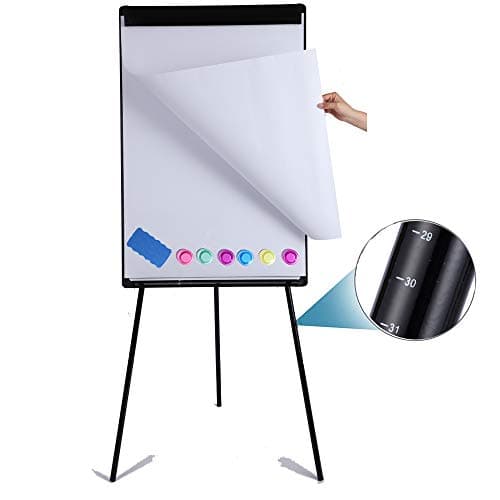
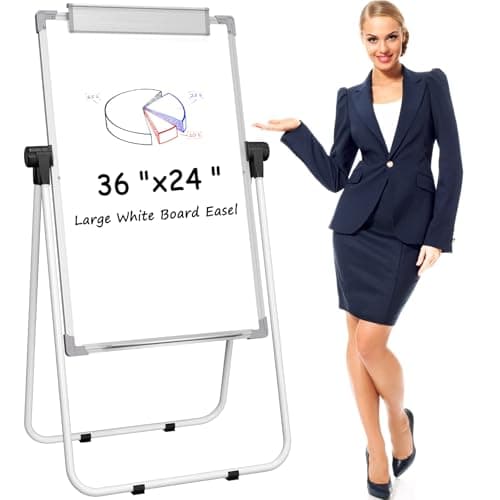
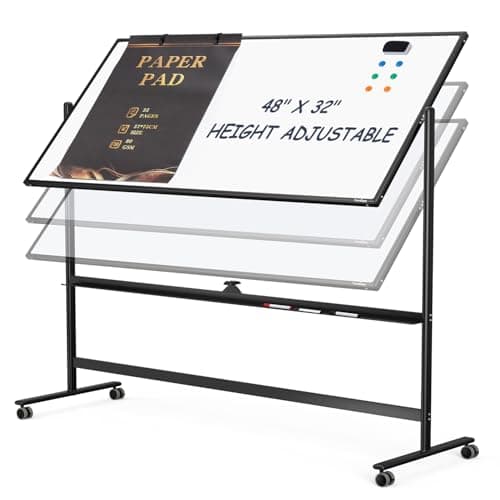
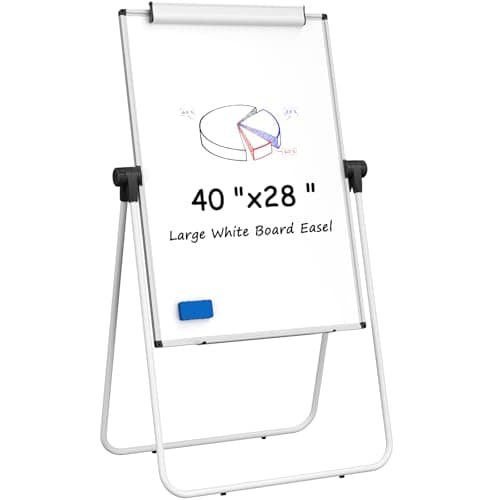
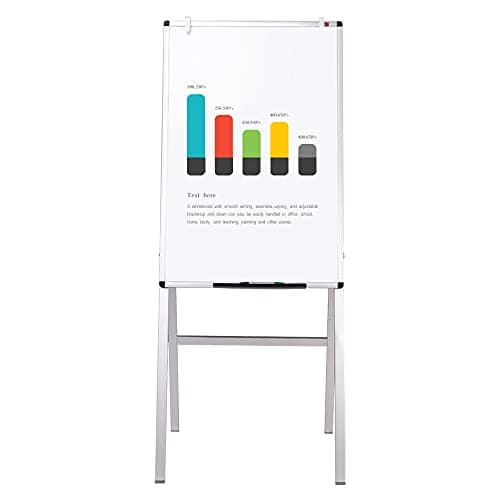
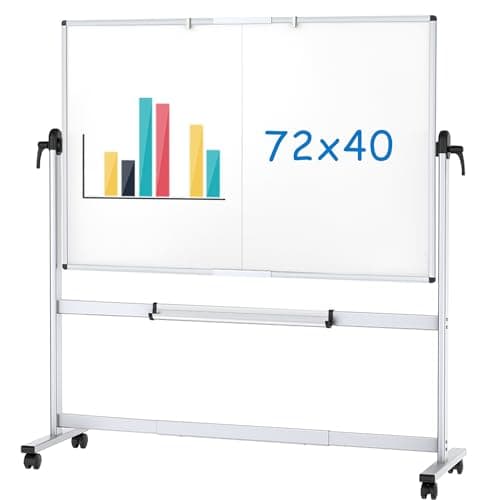
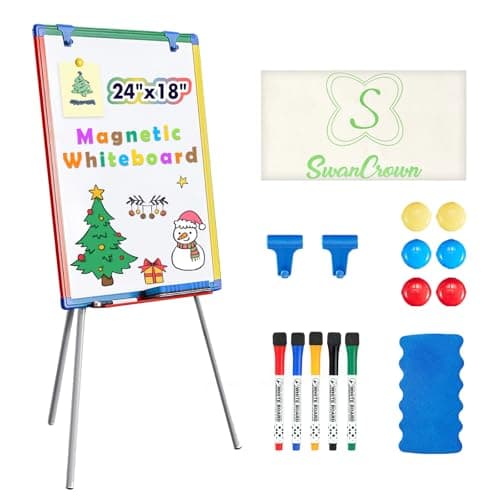
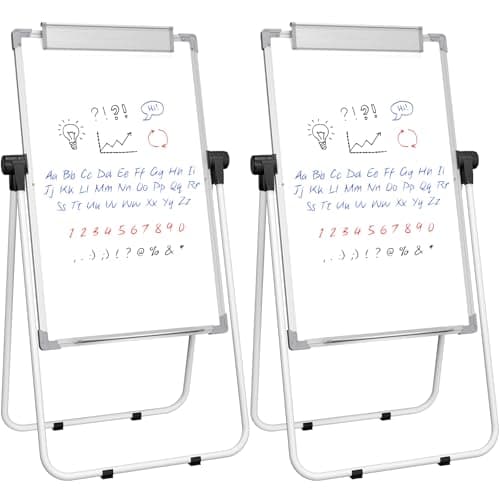
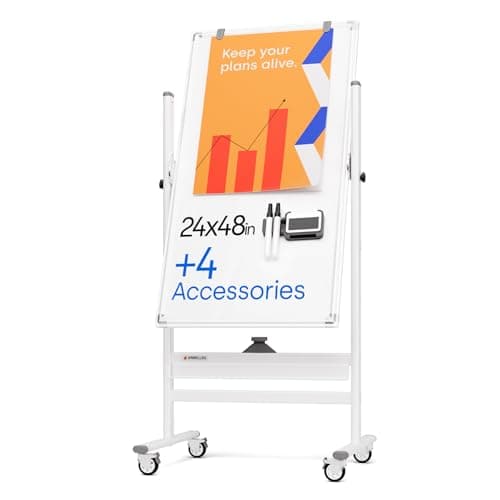
Easel-Style Dry Erase Boards are a versatile and essential tool for a wide range of settings, from classrooms and offices to creative studios and home environments. These boards combine the functionality of a traditional dry erase surface with the portability and flexibility of an easel, making them an ideal choice for dynamic presentations, brainstorming sessions, and collaborative work. Their ability to be easily moved and adjusted to different heights and angles allows users to tailor their workspace to their specific needs, enhancing productivity and engagement.
What makes Easel-Style Dry Erase Boards particularly special is their adaptability and user-friendly design. Unlike fixed wall-mounted boards, these easel-style versions can be positioned anywhere in a room, providing a convenient and accessible writing surface wherever it's needed. This mobility is especially beneficial in environments where space is at a premium or where the layout frequently changes. Additionally, many models come with features such as adjustable legs, magnetic surfaces, and integrated storage trays, further enhancing their practicality and appeal.
The importance of Easel-Style Dry Erase Boards extends beyond their physical attributes. They foster an interactive and collaborative atmosphere, encouraging participation and creativity. Whether used in educational settings to engage students, in corporate environments to facilitate team meetings, or in creative spaces to visualize ideas, these boards are an invaluable asset. As technology continues to evolve, Easel-Style Dry Erase Boards are also incorporating digital features, such as interactive surfaces and connectivity options, paving the way for even more innovative uses in the future.
History
- The concept of dry erase boards dates back to the 1960s when they were first introduced as a cleaner alternative to chalkboards.
- Easel-style boards gained popularity in the late 20th century as the demand for portable and flexible presentation tools increased.