Slacklines


Product categories
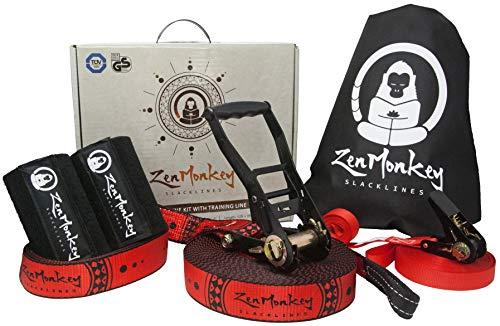
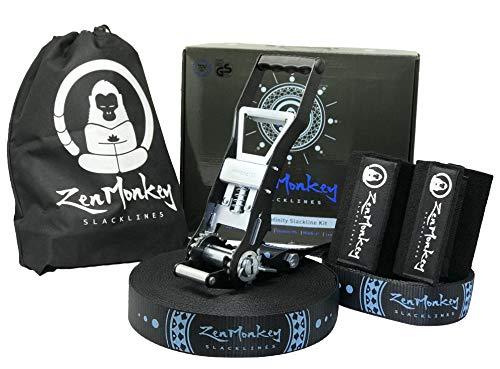
Slacklining: A Comprehensive Guide to Lines, History, and Future Trends

Slacklining is more than just walking on a rope; it's a dynamic activity that blends balance, focus, and a bit of daredevil spirit. Imagine a tightrope, but with more give and bounce. This unique characteristic allows for a range of activities, from leisurely strolls to gravity-defying tricks. It’s a fantastic way to challenge your body and mind, all while enjoying the great outdoors (or even indoors!).
What makes slacklining so special is its accessibility and versatility. Unlike many extreme sports, it doesn't require expensive equipment or specialized locations to get started. A simple slackline kit can be set up almost anywhere – between trees in a park, in your backyard, or even indoors with the right anchors. This ease of setup, combined with the relatively low learning curve for basic walking, makes it an appealing activity for people of all ages and fitness levels. The benefits extend beyond the physical, as slacklining cultivates concentration, coordination, and a sense of accomplishment.
The importance of slacklining lies in its ability to connect people with nature and themselves. It encourages outdoor activity, promoting physical health and mental well-being. The focus required to maintain balance provides a meditative quality, helping to quiet the mind and reduce stress. As a community-driven activity, slacklining fosters camaraderie and shared experiences, whether you're learning alongside friends or participating in organized events.
History
- The origins of slacklining can be traced back to the 1980s in Yosemite National Park, where rock climbers began using loose webbing to traverse between campsites as a form of recreation and balance training.
- Early slacklines were often improvised using climbing ropes or webbing, and the focus was primarily on simple walking and balance. As the sport gained popularity, specialized slackline webbing and equipment were developed to improve performance and safety.
- In the 2000s, slacklining began to evolve into different disciplines, including tricklining (performing acrobatic maneuvers), longlining (walking long distances), highlining (slacklining at significant heights), and waterlining (slacklining over water).
- The development of stronger, lighter materials and more sophisticated rigging techniques has enabled slackliners to push the boundaries of what's possible, with record-breaking longlines and increasingly daring highlines being established around the world.